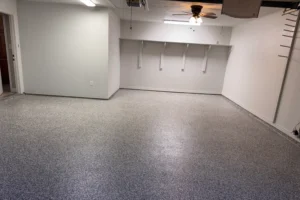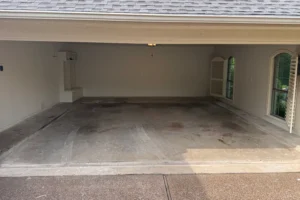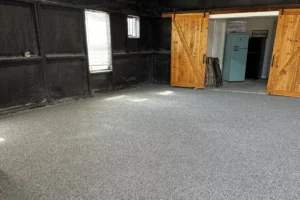
Texas summers can be demanding on almost every exterior and garage surface. High temperatures, intense sunlight, hot vehicle tires and repeated temperature changes raise an important question for homeowners considering a garage upgrade: can epoxy floors withstand extreme Texas heat?
The short answer is yes, a properly selected and professionally installed floor coating system can perform very well in Texas. However, not every product marketed as “epoxy” offers the same performance.
Surface preparation, the coating system, UV exposure, concrete condition and the protective topcoat all influence how well a garage floor performs over time.
For homeowners in Dallas and the DFW area, understanding these factors is important before choosing a garage floor coating.
How Texas Heat Affects Garage Floors
Concrete itself reacts to changes in temperature.
During hot weather, concrete can expand slightly, while cooler temperatures can cause contraction. Garages also experience additional stresses from vehicles, moisture, chemicals and hot tires.
The coating installed on top of the concrete must therefore be able to handle the conditions of the space.
Texas garages may experience:
- High summer temperatures
- Hot vehicle tires
- Direct or indirect UV exposure
- Temperature fluctuations
- Oil and automotive fluids
- Moisture
- Heavy vehicle traffic
This is why installing a professional garage epoxy floor in Dallas involves much more than applying a decorative layer over concrete.
The performance of the entire system matters.
Can Epoxy Handle High Temperatures?
Quality epoxy systems can handle normal garage temperatures when correctly installed.
The bigger issue is usually not simply the air temperature outside.
Problems often occur when inexpensive products, insufficient surface preparation or inappropriate coating systems are used.
A garage floor is exposed to concentrated stress where vehicle tires contact the surface. Tires become warm while driving and then rest directly on the coating after the vehicle enters the garage.
Poorly bonded coatings may eventually lift or peel in these areas.
Professional concrete preparation and an appropriate coating system help create better adhesion between the floor and the coating.
What Is Hot Tire Pickup?
Hot tire pickup occurs when a coating softens or loses adhesion beneath vehicle tires and portions of the coating pull away when the vehicle moves.
It is one of the problems homeowners often associate with DIY garage floor paint or improperly installed coatings.
Several factors may contribute to hot tire pickup:
- Poor concrete preparation
- Contamination on the existing floor
- Incompatible coating materials
- Weak adhesion
- Improper curing
- Low-quality products
The solution is not simply adding another layer of coating.
The concrete must first be correctly prepared so the flooring system can establish a strong bond with the substrate.
Homeowners looking for garage epoxy flooring in Arlington should consider preparation and the complete coating system rather than choosing solely based on color or price.
Why Polyaspartic Topcoats Are Useful in Texas
Many professional garage floor systems combine different coating technologies instead of relying on a single material for every layer.
A system may use an epoxy-based layer combined with a polyaspartic protective topcoat.
Polyaspartic coatings are commonly selected as topcoats because they can provide strong resistance to abrasion, chemicals and UV exposure.
UV stability becomes particularly important in garages where sunlight reaches sections of the floor near the garage door.
Some traditional coating materials can change appearance after prolonged UV exposure.
Using an appropriate UV-stable topcoat can help preserve the appearance of the finished floor.
Prados uses a coating system designed around both concrete protection and a durable finished surface for garage floor coatings in Plano and other DFW locations.
Does Direct Texas Sunlight Damage Epoxy Floors?
UV exposure and heat are related but different issues.
A floor inside a completely enclosed garage may receive limited direct sunlight, while a garage facing strong afternoon sun could expose sections of the coating to UV radiation every day.
Traditional epoxy materials may experience discoloration or yellowing when repeatedly exposed to UV radiation.
This does not mean epoxy cannot be used in Texas.
Instead, the flooring system needs to be designed for its environment.
Using a UV-resistant protective topcoat can help reduce these concerns in areas exposed to sunlight.
Surface Preparation Matters More Than Most Homeowners Realize
Even premium coating materials can fail when applied over poorly prepared concrete.
The installer needs to evaluate the existing floor before coating it.
Potential problems include:
- Oil contamination
- Existing paint
- Previous coatings
- Cracks
- Moisture
- Weak concrete
- Surface deterioration
Mechanical preparation helps create the profile required for the coating to bond properly to concrete.
Cracks and damaged areas should also be addressed before applying the complete flooring system.
Skipping preparation to reduce installation time or cost can compromise the entire project.
DIY Epoxy vs Professional Garage Floor Coatings in Texas
DIY garage floor kits can be attractive because of their lower initial price, but homeowners should compare more than the cost of the container.
Professional installation typically considers the condition of the concrete, necessary repairs, mechanical preparation and the combination of coating materials required for the environment.
DIY applications frequently depend heavily on chemical cleaning or basic etching.
That may not provide the same surface preparation as professional mechanical methods, particularly on older, contaminated or previously coated concrete.
Texas heat, vehicle traffic and hot tires can quickly expose weaknesses in a poorly bonded coating.
A professional system is therefore generally better suited for homeowners looking for a long-term garage improvement.
What Garage Floor Coating Is Best for Texas Heat?
There is no universal answer for every concrete floor.
The appropriate system depends on:
- Existing concrete condition
- Sun exposure
- Garage use
- Moisture
- Vehicle traffic
- Desired finish
- Required cure time
For many residential garages, combining a properly prepared concrete surface with a durable base system and UV-stable protective topcoat provides a strong balance of appearance and performance.
The key is evaluating the entire system rather than focusing only on whether the label says “epoxy.”
Are Garage Floor Coatings Only for Garages?
No.
Similar concrete coating systems can be adapted for other residential surfaces depending on the environment and condition of the concrete.
Homeowners looking to improve more than one area of a property can explore residential epoxy flooring in Fort Worth for garages, workshops and other suitable residential concrete surfaces.
Different areas may require different systems, which is another reason professional evaluation is important.
Garage Floor Coatings for Dallas and DFW Homes
Texas heat does not mean homeowners have to live with stained, dusty or unfinished garage concrete.
The important factor is choosing a coating system designed for the actual conditions of a Dallas–Fort Worth garage.
Professional surface preparation, quality materials and an appropriate protective topcoat can create a floor designed to withstand vehicle traffic, hot tires, spills, sunlight and everyday use.
Prados Concrete Coatings installs professional garage epoxy floors in Dallas and throughout the DFW area.
If you are considering upgrading your garage floor, the first step should be evaluating the existing concrete and determining which coating system is appropriate for your space.
Frequently Asked Questions About Epoxy Floors and Texas Heat
Can epoxy floors handle Texas summer temperatures?
A professionally installed epoxy-based coating system can perform well in Texas garages. Concrete preparation, product selection, curing and the protective topcoat are critical factors in long-term performance.
Will hot tires damage an epoxy garage floor?
A properly prepared and professionally installed system is designed to withstand normal vehicle traffic. Hot tire pickup is more likely when coatings have poor adhesion, inadequate preparation or unsuitable materials.
Does epoxy yellow in the sun?
Some traditional epoxy materials can discolor after prolonged UV exposure. A UV-stable protective topcoat is commonly used where sunlight exposure is a concern.
Is polyaspartic better than epoxy for Texas garages?
The materials can serve different purposes within a flooring system. Rather than treating them strictly as competing products, professional systems may use different coating technologies together to obtain the desired adhesion, durability and UV resistance.
How should I choose a garage floor coating in Dallas?
Consider the existing concrete condition, preparation process, coating system, UV resistance, expected vehicle traffic, installer experience and warranty rather than choosing based only on price.