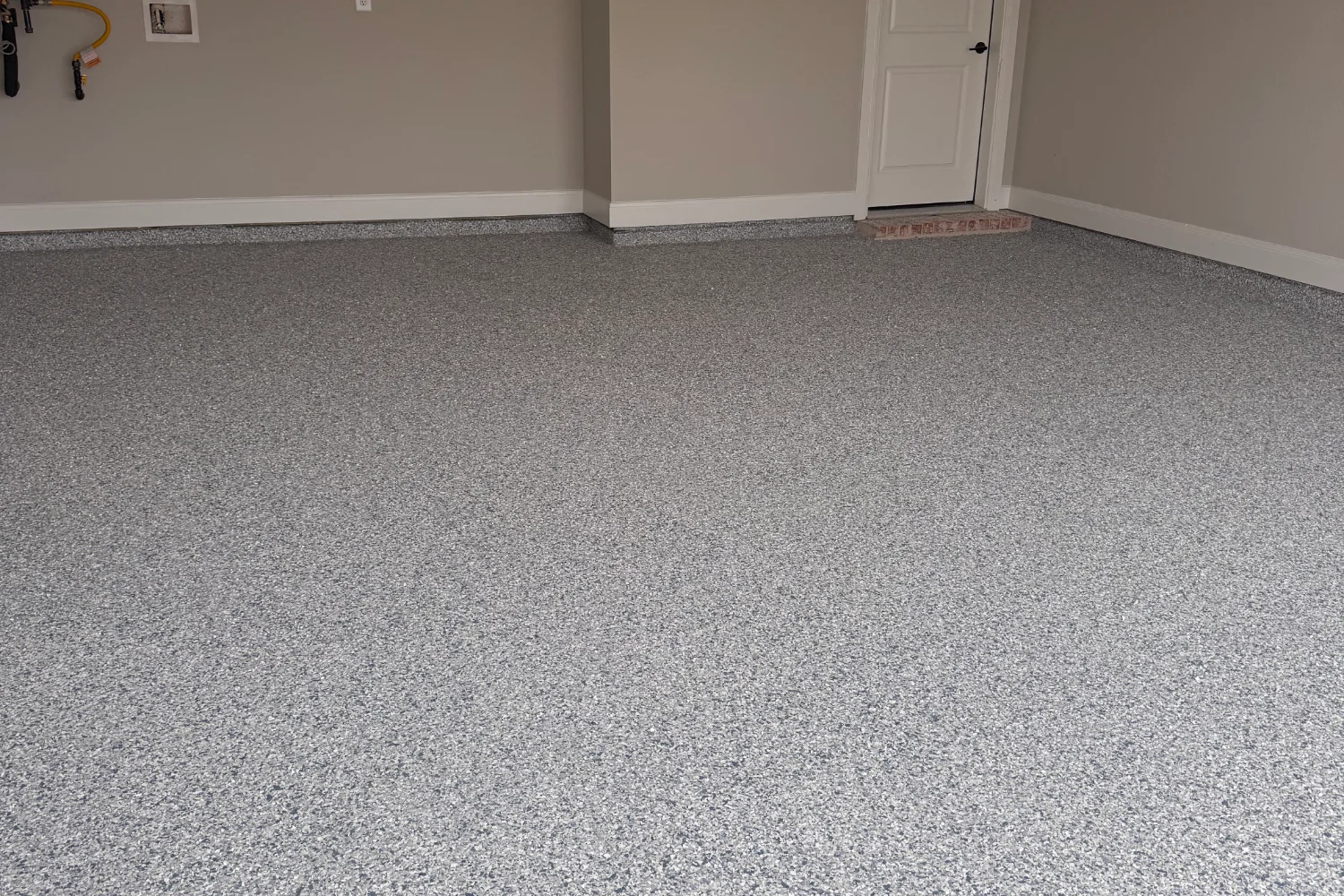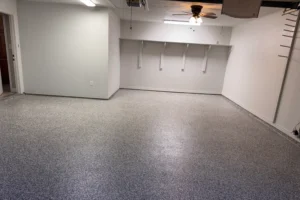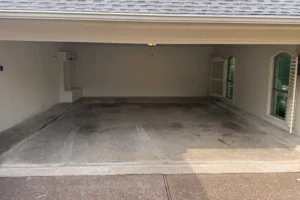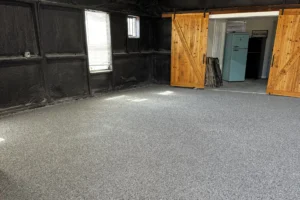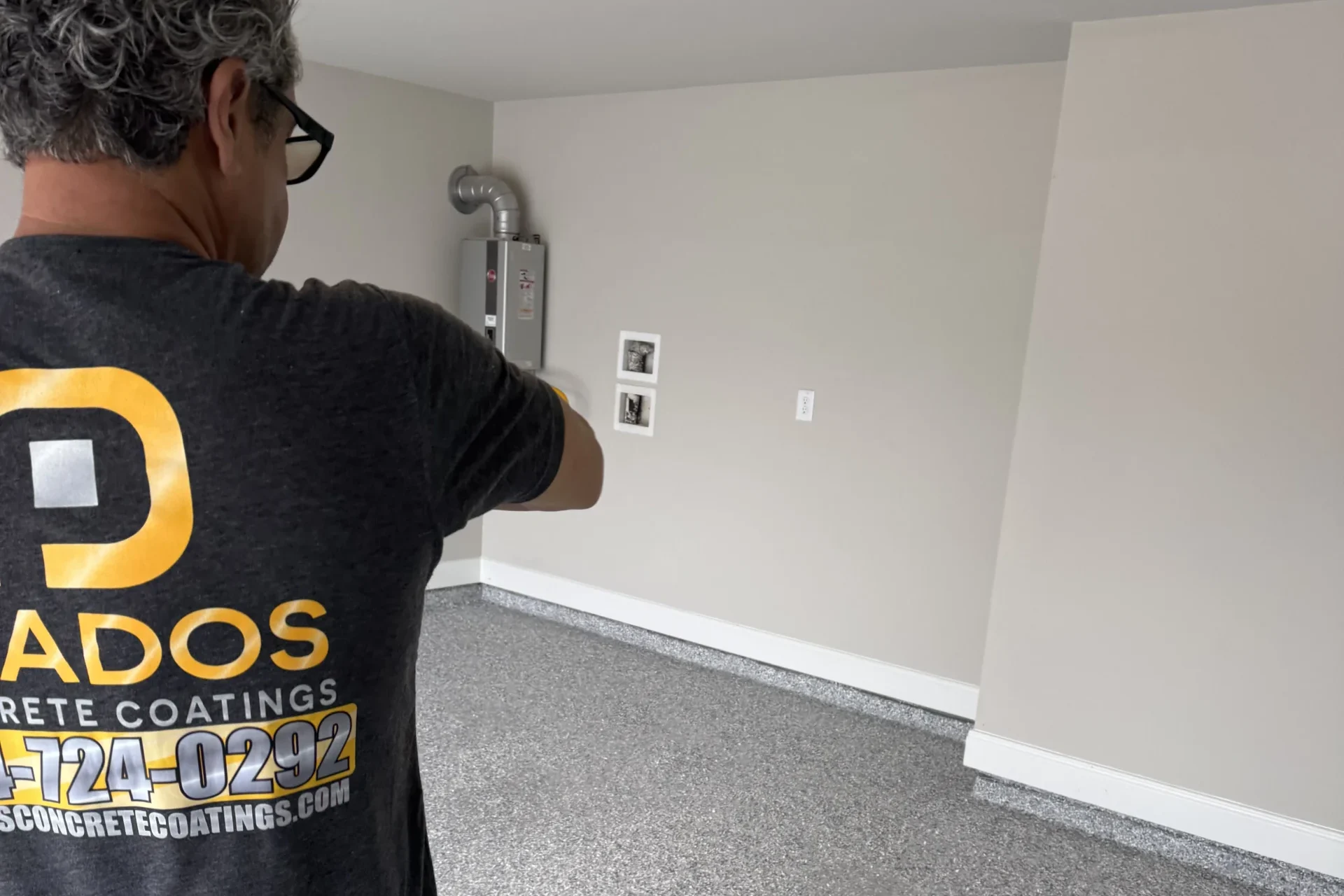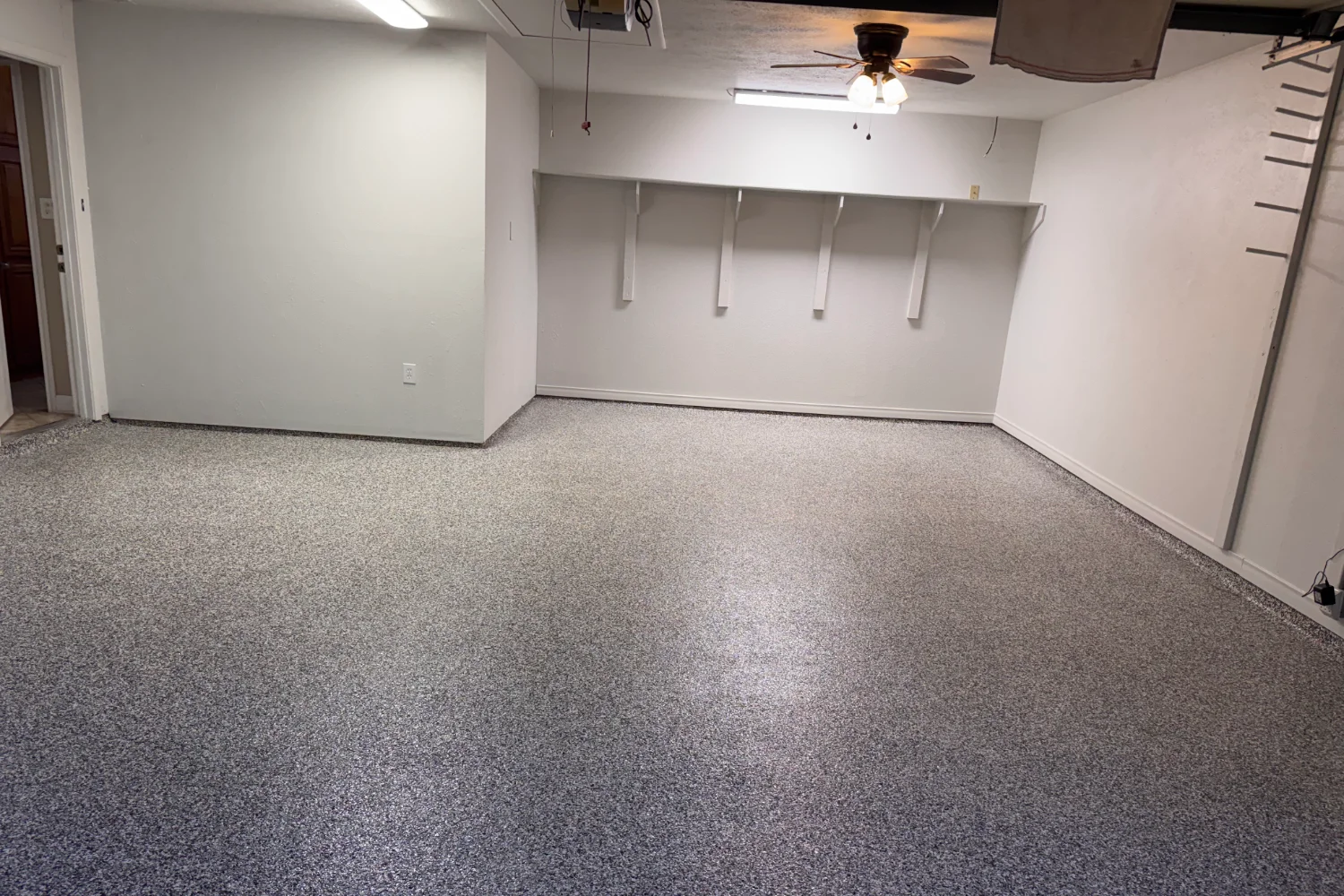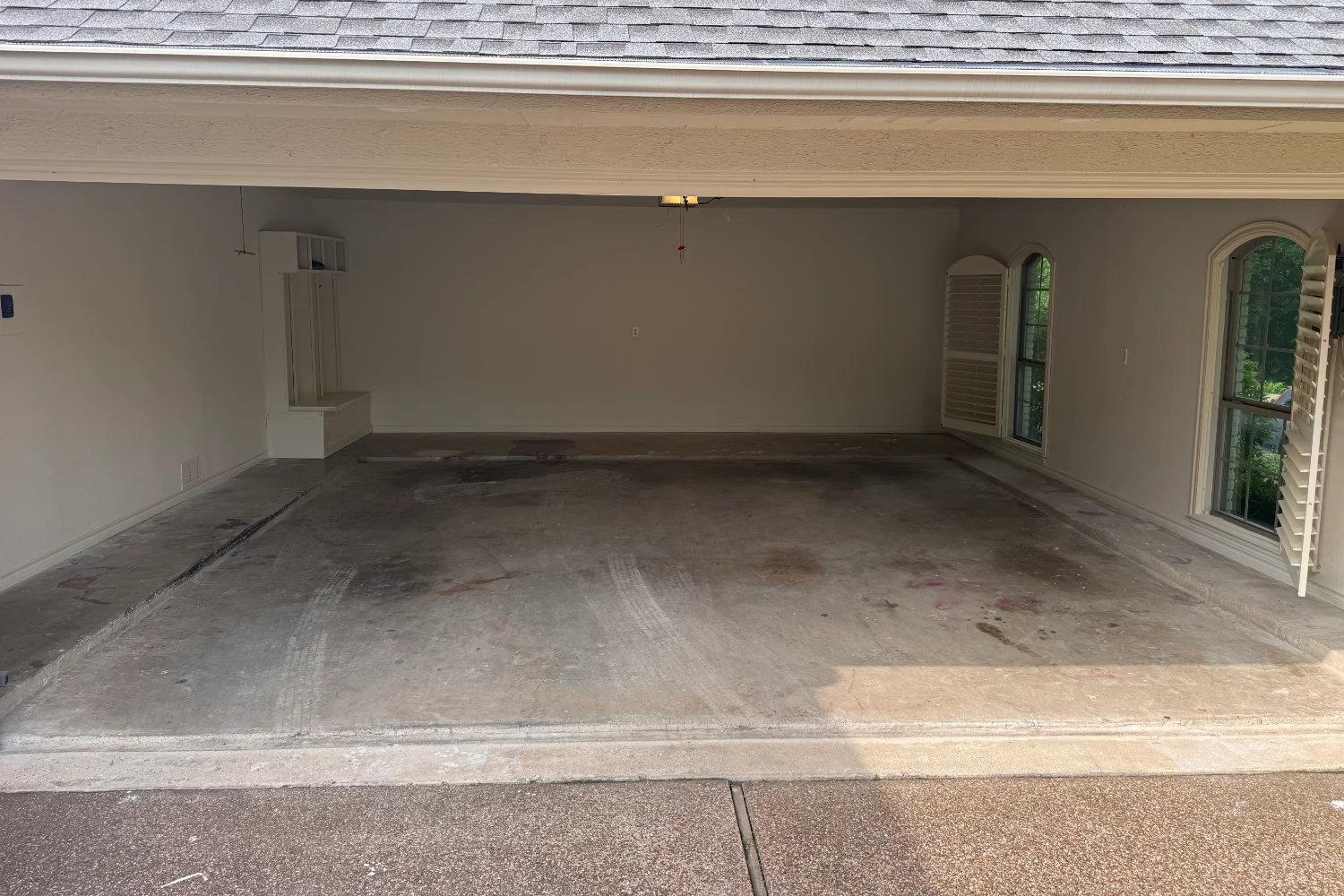
A professionally installed epoxy floor can remain durable and attractive for many years. In a residential garage, reaching long-term performance is possible when the concrete is correctly prepared, the right coating system is installed, and the homeowner follows a consistent maintenance routine.
However, lifespan does not depend only on the epoxy product. Surface preparation, moisture levels, vehicle traffic, chemical exposure, sunlight, and cleaning habits all influence how long the coating will perform.
What Determines the Lifespan of an Epoxy Floor?
The most important factor is the bond between the coating and the concrete. Before installing a garage epoxy floor coating, the surface should be mechanically prepared, cleaned, and repaired.
Applying epoxy over dust, oil, moisture, cracks, or weak paint can cause peeling and delamination. Professional grinding opens the concrete surface and helps the base coat create a stronger bond.
The complete system also matters. A high-quality installation may combine an industrial base coat, decorative flakes, and a UV-resistant polyaspartic topcoat. This final layer helps protect the floor against hot tires, stains, chemicals, scratches, and sunlight.
How to Help an Epoxy Floor Last for Many Years
Clean Spills Quickly
Epoxy coatings resist many common garage substances, but oil, gasoline, cleaners, and automotive chemicals should not remain on the floor for long periods.
Use an absorbent cloth or paper towel first, then clean the area with water and a mild, non-abrasive detergent.
Sweep the Floor Regularly
Sand, dirt, and small stones can act like abrasives beneath vehicle tires and heavy equipment. Regular sweeping or vacuuming reduces unnecessary surface wear.
Professional residential epoxy flooring systems are easier to maintain than bare concrete, but they still benefit from routine cleaning.
Avoid Harsh Cleaning Products
Do not use steel wool, abrasive powders, highly acidic cleaners, or aggressive solvents unless the installer confirms they are safe for the coating.
For routine maintenance, warm water, a soft mop, and a neutral cleaner are normally sufficient.
Protect the Floor From Heavy Impacts
Avoid dropping tools, metal parts, or heavy equipment directly onto the coating. Use protective mats under workbenches, jacks, machinery, or equipment that creates concentrated pressure.
Dragging heavy objects can also scratch the topcoat. Lift furniture and equipment whenever possible.
Repair Small Damage Early
Minor scratches or chips should be inspected before they expand. Early repairs can prevent moisture and contaminants from reaching the concrete beneath the coating.
Experienced concrete coating specialists in Dallas can determine whether the floor needs a localized repair, a new topcoat, or more extensive restoration.
Does an Epoxy Floor Require Professional Maintenance?
Most residential epoxy floors do not require complicated maintenance. Regular cleaning and responsible use are usually enough.
Over time, high-traffic areas may lose some gloss or develop light surface scratches. Depending on the condition of the floor, applying a new protective topcoat can restore appearance and extend the life of the system without replacing the entire coating.
Protect Your Investment From the Beginning
An epoxy floor is more likely to provide long-term performance when it begins with proper concrete preparation, professional-grade materials, and an installation system designed for the space.
Homeowners should also follow curing instructions before walking, moving equipment, or parking vehicles on the new floor. Using the garage too early can damage a coating before it reaches full strength.
To evaluate your garage and select the right coating system, request a free epoxy floor estimate from Prados Concrete Coatings.