Your garage floor is constantly exposed to vehicle traffic, hot tires, oil spills, moisture, heavy tools, and changing temperatures. Although concrete is strong, an unprotected surface can gradually crack, stain, release dust, and become more difficult to maintain.
Identifying the early signs of deterioration allows you to protect the slab before minor damage becomes a larger and more expensive problem. Here are five clear signs that your garage floor may need a professional epoxy coating.
1. Cracks, Pitting, and Surface Damage Are Increasing
Small hairline cracks can develop naturally as concrete ages. However, widening cracks, chipped areas, pitting, flaking, or rough patches may indicate that the upper layer of the slab is beginning to deteriorate.
These defects should not simply be covered. A professional garage epoxy floor coating requires mechanical surface preparation, cleaning, and concrete repairs before the coating system is applied.
Proper preparation creates a stronger bond and helps prevent premature peeling or delamination.
2. Oil and Tire Stains Are Becoming Permanent
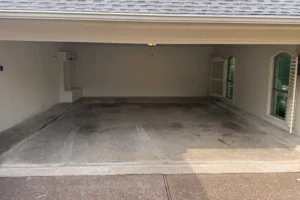
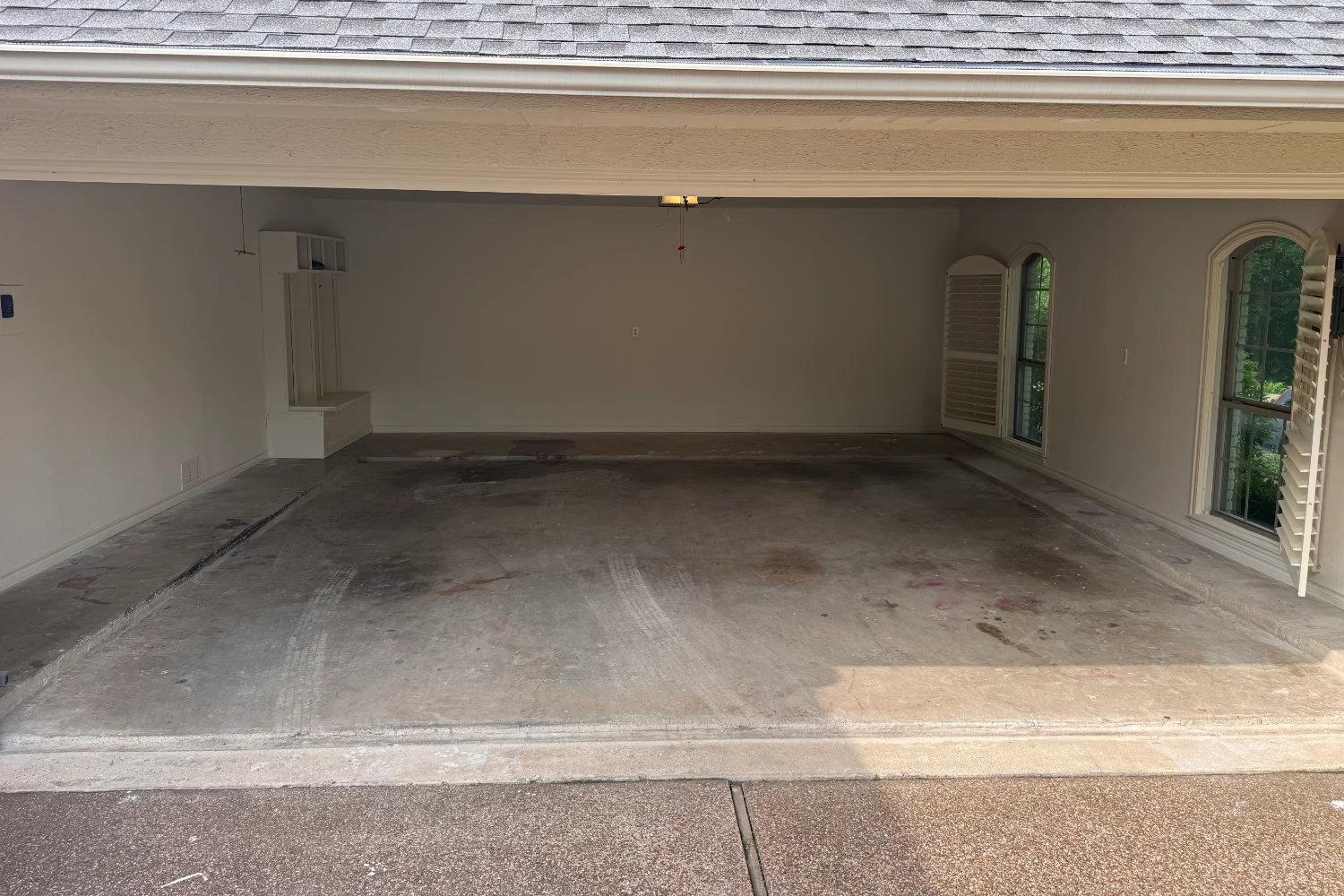
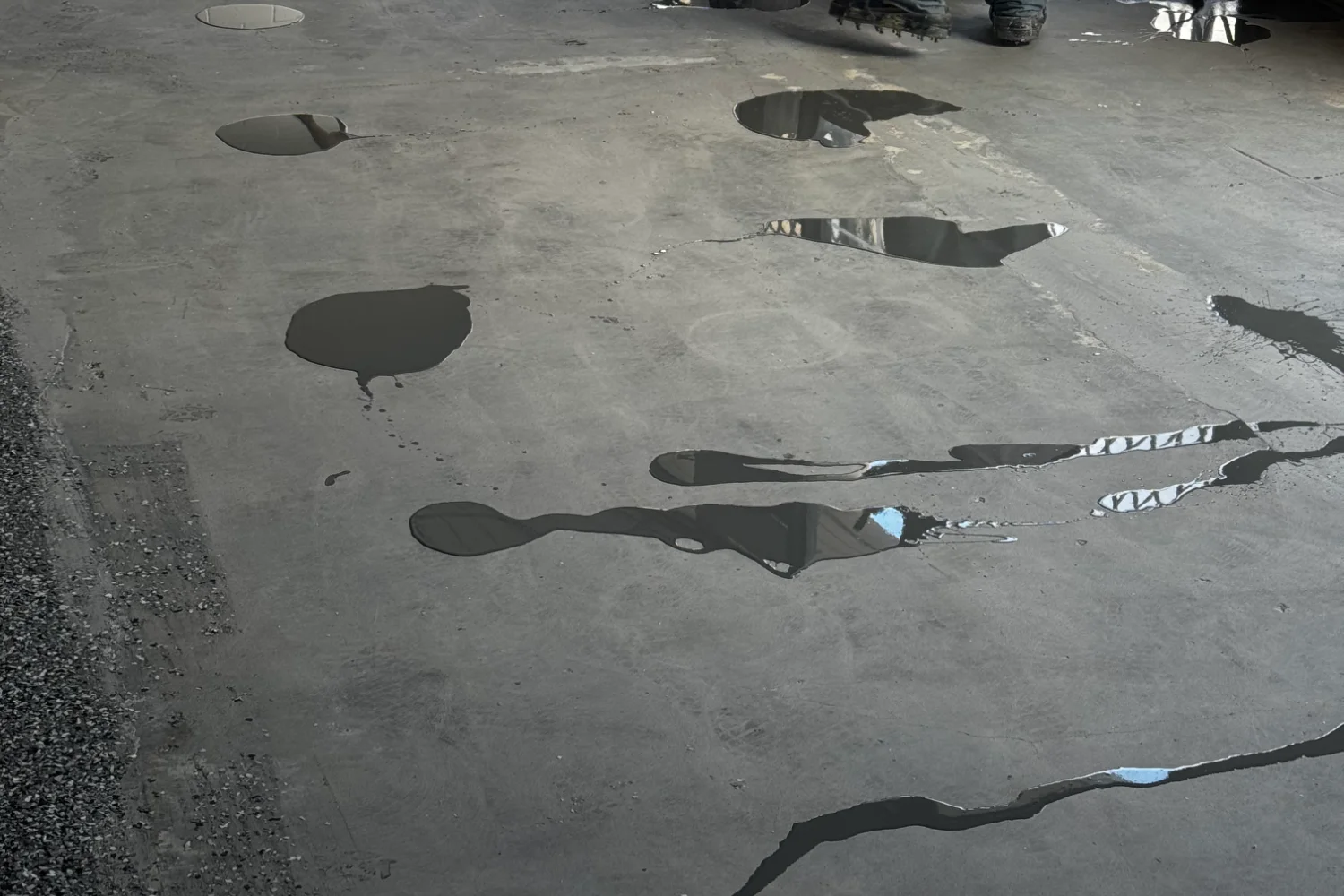
Bare concrete is porous, allowing oil, grease, automotive fluids, and cleaning chemicals to penetrate below the surface. Once these substances are absorbed, ordinary cleaning methods may no longer remove the stains completely.
Hot tires can also leave dark marks or lift weak garage floor paint. Professionally installed residential epoxy flooring systems create a more resistant and less absorbent surface, helping homeowners clean spills before they become permanent.
3. The Concrete Produces Dust After Cleaning
If your garage becomes dusty shortly after sweeping, the dust may be coming directly from the concrete. This happens when the upper surface weakens and begins releasing fine particles under vehicle and foot traffic.
Recurring concrete dust can settle on vehicles, tools, shelves, and stored belongings. Applying a coating over weak or dusty concrete can cause adhesion problems, which is why experienced concrete coating specialists in Dallas should evaluate and prepare the slab first.
Once properly installed, a sealed coating reduces dust and makes routine garage maintenance much easier.
4. Moisture or White Deposits Keep Appearing
Dark areas, damp spots, peeling paint, bubbles, or white mineral deposits may indicate moisture moving through the concrete.
Moisture conditions must be evaluated before installing epoxy because trapped vapor can affect adhesion and cause the coating to bubble or separate from the slab.
A professional inspection can determine whether the garage needs moisture treatment, better drainage, additional preparation, or a coating system designed for the existing conditions.
5. The Garage Looks Worn and Outdated
A stained, uneven, or faded floor can make the entire garage feel unfinished, even when the rest of the space is organized.
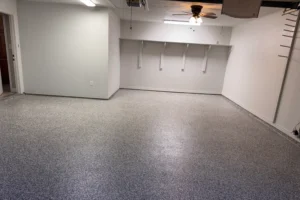
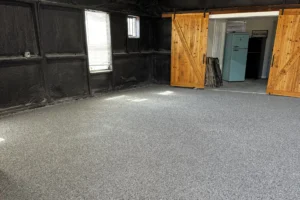
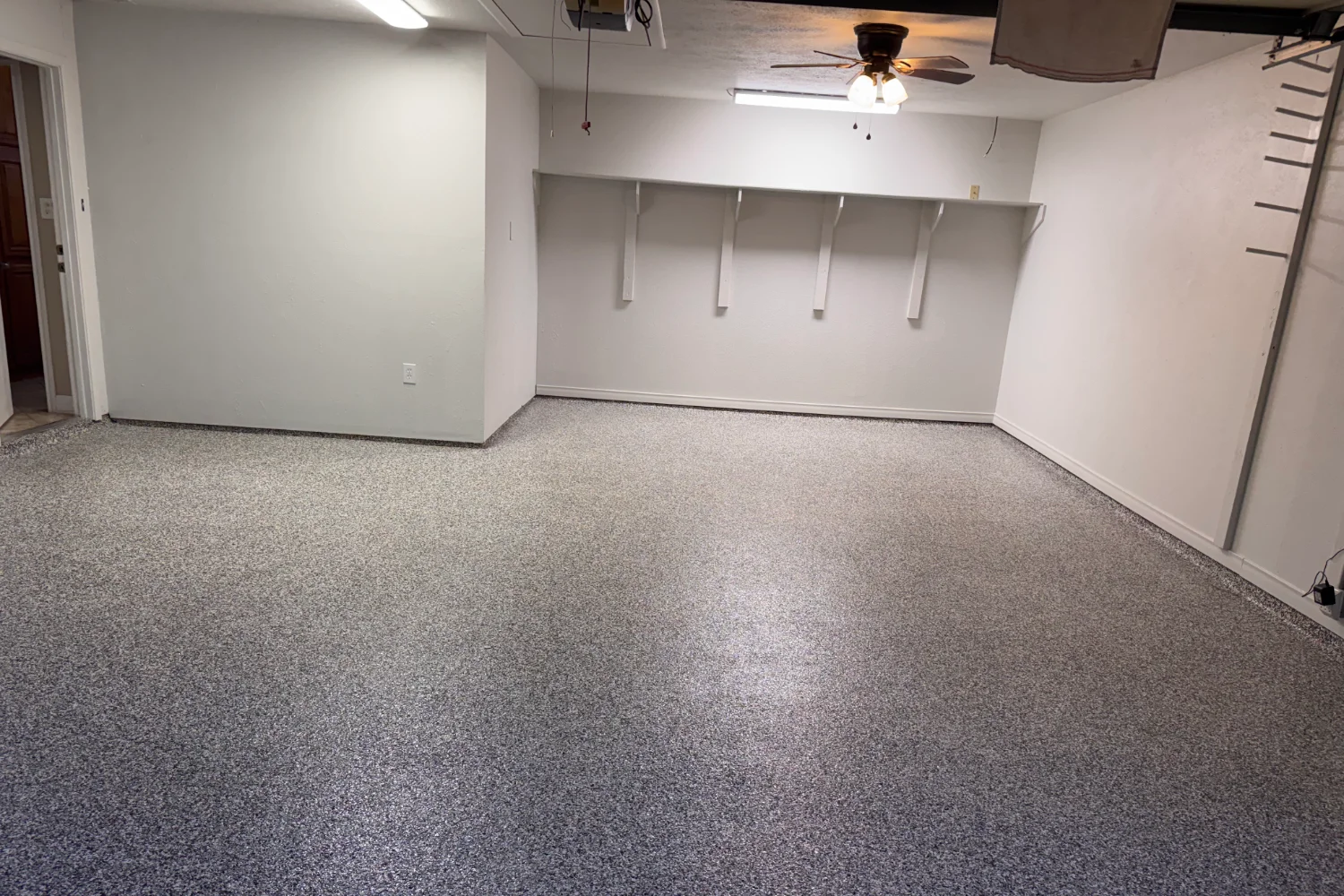
Modern garage coatings are available in decorative flake, quartz, solid-color, and metallic epoxy floor finishes. These options improve the appearance of the garage while creating a durable surface that is easier to clean.
The right finish should match how the space is used, whether for parking, storage, exercise, hobbies, vehicle detailing, or a home workshop.
Protect Your Garage Floor Before the Damage Spreads
Cracks, permanent stains, recurring dust, moisture, and an outdated appearance are clear signs that your garage floor needs attention.
Installing a professional coating before the damage becomes severe can protect the concrete, reduce maintenance, and improve the appearance and functionality of the entire garage.
Homeowners in Dallas and the surrounding DFW area can request a free garage floor coating estimate from Prados Concrete Coatings and receive recommendations based on the actual condition of their floor.